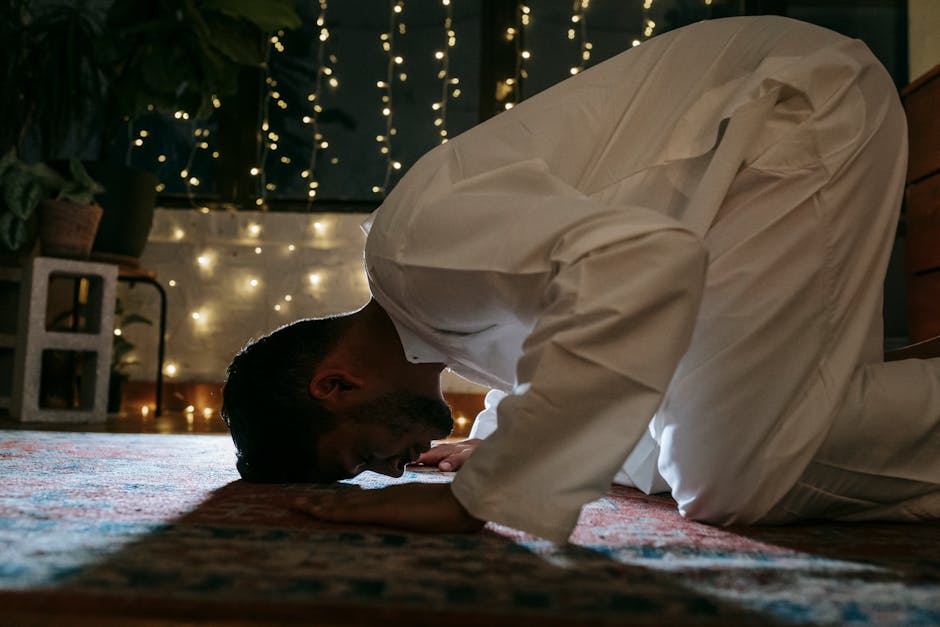
There are days when the heart just feels tired.
Not always because something terrible happened. Sometimes it’s just the weight of normal life. Messages waiting for replies. Work that keeps piling up. Family responsibilities. Silent worries. The pressure to be better, do more, earn more, respond faster, and somehow still feel peaceful inside.
Honestly, a lot of people struggle with this quietly.
We wake up, rush through the day, pray quickly, scroll too much, sleep late, and then wonder why our hearts feel distant. Not because we don’t love Allah. Not because we don’t care about our faith. But because life can become noisy, our inner world can become crowded without our noticing.
That’s why building small daily habits matters.
Not perfect habits. Not unrealistic routines that only work when life is calm. Just simple, steady practices that bring us back to Allah, help us live with more intention, and make our days feel less scattered.
This article on 5 Daily Habits for a Mindful and Productive Muslim: Prioritizing Spiritual Practices is not about becoming flawless. It’s about becoming more present. More aware. More connected. Slowly, gently, and honestly.
1. Begin the Morning With Allah Before the World Reaches You
The first few minutes after waking up can shape the feeling of the whole day.
Many of us reach for our phones before we even fully open our eyes. We check messages, news, social media, work notifications, or random updates we didn’t even need to see. And just like that, the mind becomes busy before the soul has had a chance to breathe.
Sometimes we don’t even realize how much this affects us.
Instead of starting the day with comparison, urgency, or noise, try beginning with Allah. It doesn’t have to be long. It doesn’t have to be dramatic. Just a quiet moment.
Sit up. Take a breath. Remember that you’ve been given another day. Whisper a simple prayer from the heart. Ask Allah for ease, clarity, protection, and sincerity.
You might say something as simple as:
“Ya Allah, guide me today. Help me use this day in a way that pleases You.”
That’s enough to shift something inside.
A mindful Muslim morning doesn’t need to look perfect. Maybe you’re rushing to prepare breakfast. Maybe your child is already calling you. Maybe you have work early. Still, even one quiet minute with Allah before the world pulls at you can soften the heart.
A simple morning habit to try
Before checking your phone:
- Sit quietly for one minute
- Make a short dua
- Set one intention for the day
- Remind yourself that your worth is not measured only by productivity
A peaceful day often begins before anything big happens. It begins with who you turn to first.
2. Treat Salah as a Pause, Not Just a Task
Many Muslims pray, but not everyone feels present in prayer every day. And honestly, that’s something many people feel guilty about.
The difficult part is that salah can become something we “fit in” between tasks. We pray between meetings, errands, school runs, cooking, and deadlines. The body stands in prayer, but the mind is still answering emails, planning dinner, or replaying something someone said earlier.
This doesn’t mean you’re a bad Muslim. It means you’re human.
But Salah is not just another item on the daily checklist. It is a pause. A return. A moment where the world stops asking from you, and you stand before the One who already knows everything you’re carrying.
One thing I’ve noticed is that when we change how we approach salah, even slightly, it changes how we experience it.
Instead of thinking, “I need to quickly pray before I continue,” try saying, “I need this prayer so I can continue.”
That small shift matters.
Salah gives structure to the day. It breaks the day into meaningful parts. Fajr begins with hope. Dhuhr pulls us out of midday busyness. Asr catches us when our energy starts fading. Maghrib feels like a gentle closing of the day. Isha reminds us to return before sleep.
Not every prayer will feel deeply emotional. Some days, you’ll feel focused. Other days, you’ll struggle. But keep showing up.
Allah knows the heart that keeps returning.
Making salah more mindful
Try this before each prayer:
- Pause for a few seconds before starting
- Take one slow breath
- Remind yourself, “Allah sees me and knows what I’m feeling.”
- Pray without rushing, even if you can only slow down a little
Salah is not an escape from life. It is where we gather strength to face life with a softer heart.
3. Protect a Small Daily Space for Dhikr
Dhikr is one of the simplest ways to bring calm into daily life.
You don’t need a special place. You don’t need a long, empty schedule. You can remember Allah while driving, walking, folding clothes, waiting for the kettle to boil, or sitting quietly before bed.
Maybe that’s what our souls need sometimes — not more noise, but gentle remembrance.
A lot of us are carrying things silently. Worries about money. Family tension. Regret over past mistakes. Fear about the future. Unspoken sadness. And sometimes, the heart doesn’t need a complicated solution right away. It needs to remember that Allah is near.
Dhikr helps us return to that awareness.
Even repeating simple words of remembrance slowly can calm the nervous energy inside. Not because life suddenly becomes easy, but because your heart is no longer facing it alone.
The beautiful thing about dhikr is that it fits into real life. You can be a student, parent, employee, business owner, caregiver, or someone just trying to get through the day. Dhikr can come with you.
Easy moments for dhikr
You can make dhikr:
- After salah
- During a walk
- While waiting in traffic
- Before opening your laptop
- While cleaning the house
- Before sleeping
- When anxiety starts to rise
Try choosing one “dhikr anchor” in your day. For example, every time you walk from your car to work, make dhikr. Or every night after brushing your teeth, sit for two minutes and remember Allah.
Small habits become powerful when they become consistent.
The heart doesn’t always need more information. Sometimes it needs remembrance.
4. Plan Your Day With Intention, Not Just Pressure
Being productive as a Muslim is not only about doing more.
That’s something we need to remind ourselves often.
The world teaches us that productivity means checking off tasks, staying busy, making money, replying quickly, and achieving visible results. But spiritual productivity is deeper than that. It asks a different question:
“Am I using my time in a way that brings me closer to Allah and helps me fulfill my responsibilities with sincerity?”
Some days, productivity looks like finishing work. Some days, it looks like resting before you burn out. Some days, it looks like apologizing. Some days, it looks like being patient with your family when you’re tired.
Not everything meaningful looks impressive.
A mindful Muslim plans the day with both effort and humility. You make your list, but you remember that Allah controls the outcome. You try your best, but you don’t worship your schedule.
This is where intention changes ordinary tasks.
Cooking for your family can become worship. Studying can become worship. Working honestly can become worship. Caring for your health can become worship. Even resting can become worship when the intention is to regain strength for what Allah has entrusted to you.
A practical daily planning habit
Each morning or the night before, write down:
- 3 important tasks for the day
- 1 spiritual habit you want to protect
- 1 act of kindness you can do
- 1 thing you will not overthink today
This keeps your day grounded.
You don’t need a perfect planner or color-coded system. A notebook, phone note, or small sticky note is enough.
The goal is not to control every hour. The goal is to move through the day with awareness.
Productivity without peace can make the soul feel empty. Intention brings meaning back into ordinary tasks.
5. End the Day With Reflection and Tawbah
The way we end the day matters too.
Many of us fall asleep with our phones in our hands, our minds still full, and our hearts carrying unfinished emotions. We replay conversations. We worry about tomorrow. We feel bad about what we didn’t do. We remember a mistake from three years ago for no useful reason.
The night can become heavy if we don’t release things back to Allah.
A gentle night routine can help.
Before sleeping, take a few minutes to reflect. Not in a harsh way. Not by attacking yourself. Just honestly.
Ask yourself:
“How was my heart today?”
Not just, “What did I finish?”
Not just, “Was I productive?”
But, “Was I aware of Allah? Was I kind? Did I hurt anyone? Did I ignore something important inside me?”
Some answers may be uncomfortable. That’s okay.
Tawbah is not only for people who feel far from Allah. It is for every heart that wants to return. Every day, we slip in small ways. We speak too quickly. We judge someone silently. We waste time. We delay prayer. We forget gratitude. We let frustration lead us.
But Allah allows us to come back.
That is one of the most comforting parts of faith.
You don’t have to sleep with the weight of the whole day sitting on your chest. Admit what went wrong. Ask Allah to forgive you. Forgive others where you can. Make a small intention to do better tomorrow.
Then rest.
You are not meant to carry everything alone.
A soft night reflection habit
Before sleeping:
- Put the phone away for a few minutes
- Think of one thing you’re grateful for
- Ask forgiveness for what went wrong
- Forgive yourself for being human
- Make dua for tomorrow
This doesn’t need to take long. Even five quiet minutes can change how your heart ends the day.
Ending the day with Allah reminds the heart that mistakes are not the end. Returning is always possible.
Bringing These 5 Habits Into Real Life
The idea of 5 Daily Habits for a Mindful and Productive Muslim: Prioritizing Spiritual Practices sounds simple, but real life is messy.
Some mornings you’ll forget. Some prayers will feel rushed. Some nights you’ll fall asleep without reflection. Some days, your emotions will be all over the place.
That doesn’t mean you failed.
Spiritual growth is not always a straight line. Sometimes it looks like trying again after a bad week. Sometimes it looks like making dua with a tired heart. Sometimes it looks like doing one small good thing when you wanted to give up.
Start gently.
Don’t try to change your whole life in one day. Choose one habit first. Maybe morning dua. Maybe slower salah. Maybe two minutes of dhikr before bed. Let it become part of you.
Then add another.
The most lasting spiritual habits are usually the quiet ones. The ones nobody sees. The ones that slowly shape your heart when you keep returning to them.
A Gentle Reminder for the Tired Heart
You don’t need to become someone else to come closer to Allah.
You can begin from where you are.
With your tiredness.
With your unfinished tasks.
With your quiet worries.
With your imperfect prayers.
With your sincere hope that you can become better.
Allah knows the effort behind the habits no one notices. He knows when you choose patience instead of anger. He knows when you hold back hurtful words. He knows when you whisper a dua while feeling broken. He knows when you keep trying even though your heart feels heavy.
That matters.
Conclusion: A More Mindful Muslim Life Begins With Small Returns
A mindful and productive Muslim life is not built only through big changes. Most of the time, it grows through small daily returns to Allah.
A quiet dua in the morning.
A more present salah.
A few moments of dhikr.
A day planned with intention.
A night ended with reflection and tawbah.
These habits may seem small, but they soften the heart. They bring calm into busy days. They remind us that productivity is not just about doing more, but living with purpose, sincerity, and connection to Allah.
So begin gently.
Pick one habit today. Protect it. Return to it. Let it become a small doorway back to peace.
And when you forget, begin again.
That’s part of the journey, too.
EmoticonEmoticon